JavaScript seems to be disabled in your browser. For the best experience on our site, be sure to turn on Javascript in your browser.
We use cookies to make your experience better. To comply with the new e-Privacy directive, we need to ask for your consent to set the cookies. Learn more.
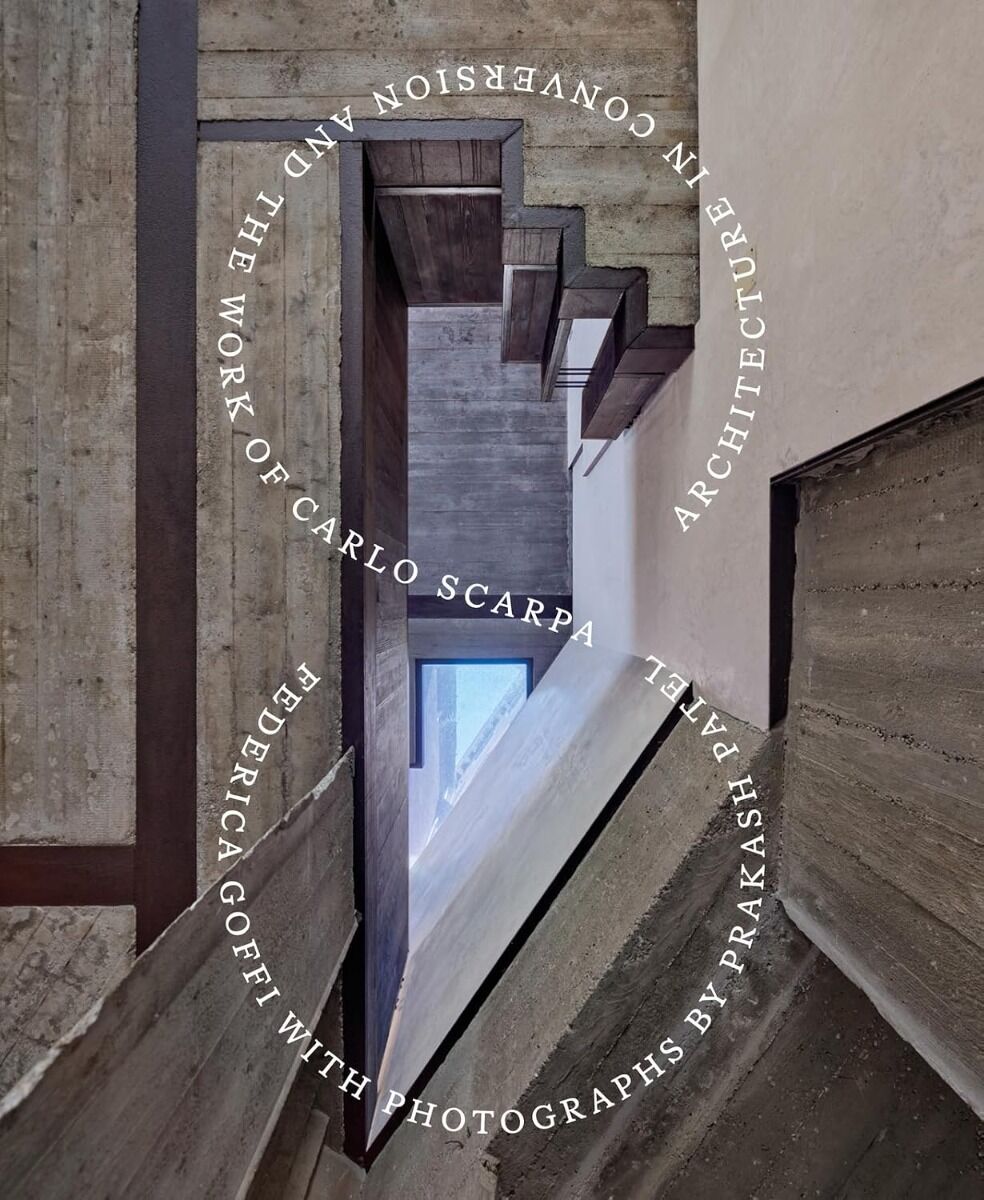
The work of Modernist architect Carlo Scarpa (1906-1978) is exemplary of an in-between practice, which is neither architecture nor conservation, but rather, architecture in conversion, dependent upon time, weather, and tempo. This book discusses the notion of architecture in conversion, revealing it to be radically different from current conservation practices, and to entail more than a change of use. Scarpa’s work represents ‘a radical turn in how we see or understand something’.The significance of time, weather and tempo within Scarpa’s work, as well as the influences of artists such as Man Ray and Emilio Vedova and composer Luigi Nono, are revealed through a close analysis of Scarpa’s drawings and details from key buildings and their histories of multiple authorship. The book examines drawing as central to Scarpa’s practice: in lieu of creating physical models, his muti-directional drawings foreshadow the orbital movements of digital modeling techniques. Based on discussions with many of his collaborators, the book highlights Scarpa’s collaborative approach, as well as the importance of all senses in his architecture.