JavaScript seems to be disabled in your browser. For the best experience on our site, be sure to turn on Javascript in your browser.
We use cookies to make your experience better. To comply with the new e-Privacy directive, we need to ask for your consent to set the cookies. Learn more.
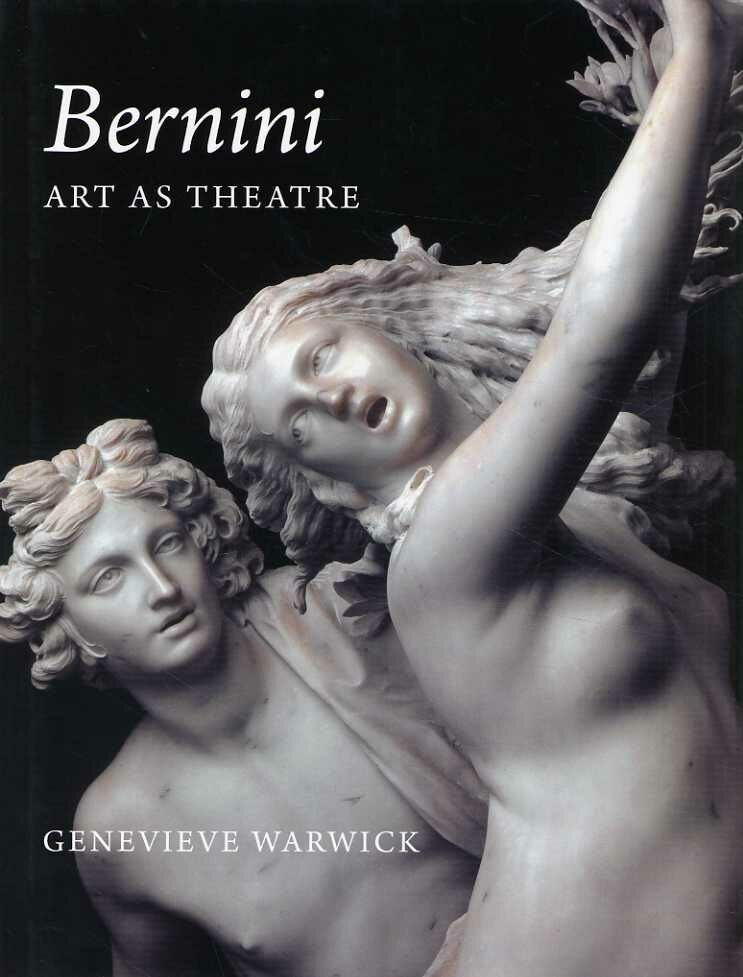
Bernini: Art as Theatre forges a new analysis of Baroque illusionism through a study of this artist’s sculptural ensembles. Gian Lorenzo Bernini (1598–1680) was a sculptor, architect, and painter, but also a court scenographer, playwright, actor, and director. Bernini’s work in theater served as a wellspring for his art’s visual effects. Theater was the dominant cultural paradigm of the Baroque, manifest in the rise of opera and ballet, as well as increasingly magnificent scenographic technologies for the performed rituals of church and court. Bernini drew on a lexicon of theatrical effects, deploying light, movement, and a fusion of fictive and physical space to render new forms of artistic illusion in both his sculptural mise-en-scènes and his stage sets. The force of his art’s illusionistic powers lay in a fiction of materials effected through medial exchanges between sculpture, painting, and architecture. This book opens up provocative new frameworks for the analysis of Baroque illusionism extending beyond Bernini to a reconsideration of 17th-century visual culture as a whole.