JavaScript seems to be disabled in your browser. For the best experience on our site, be sure to turn on Javascript in your browser.
We use cookies to make your experience better. To comply with the new e-Privacy directive, we need to ask for your consent to set the cookies. Learn more.
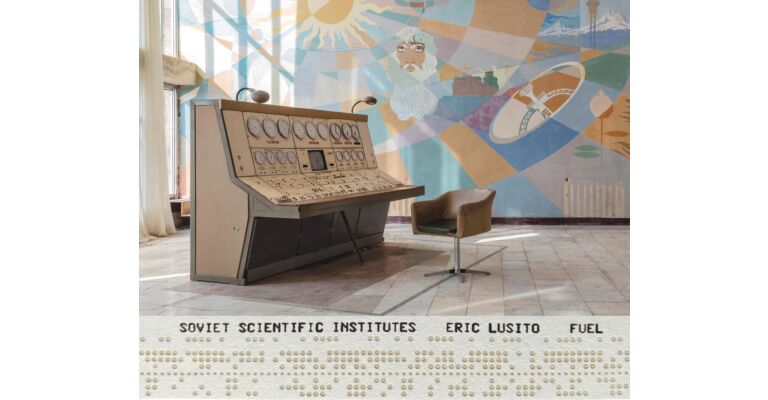
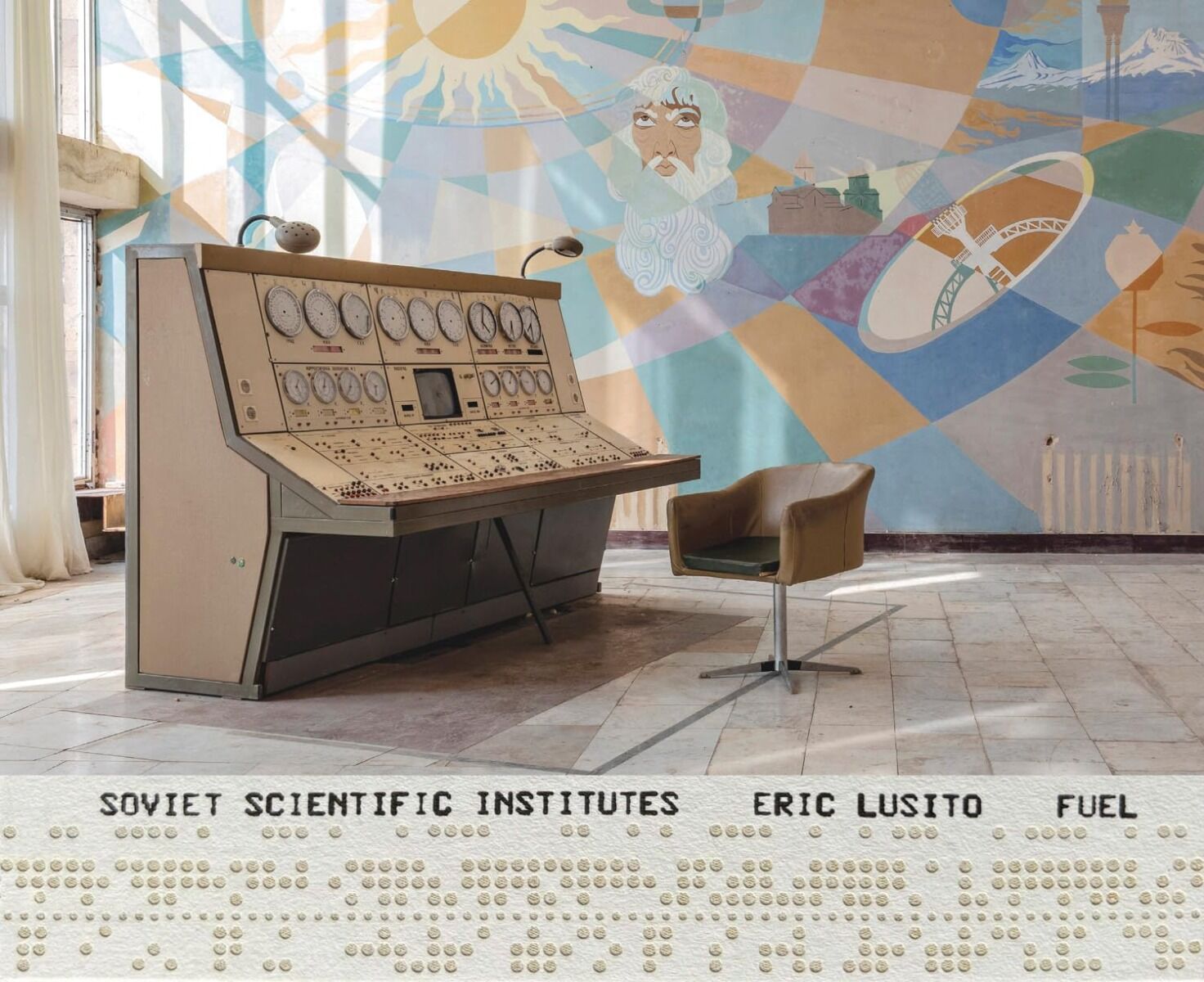
In Soviet Scientific Institutes, French photographer Eric Lusito (born 1976) takes readers on a journey through time, space and science. Gigantic control panels, monumental telescopes, inexplicable machinery―the facilities he documents might be found in comic book and graphic novel fantasies or the science fiction of Jules Verne and H.G. Wells. But why were these institutes built and what purposes do they serve today?The Soviets promoted science as a utopian ideal to replace religion and rapidly modernize the country. "Big science" projects, primarily for Cold War military purposes, involved thousands of researchers working in complete secrecy. In the 1990s, after the collapse of the Soviet Union, many institutes were left destitute, their sophisticated technology condemned to extinction. But some scientists persevered, adapting to the new landscape. Today, defying the odds, they persist―even in wartime―to continue their work.