JavaScript seems to be disabled in your browser. For the best experience on our site, be sure to turn on Javascript in your browser.
We use cookies to make your experience better. To comply with the new e-Privacy directive, we need to ask for your consent to set the cookies. Learn more.
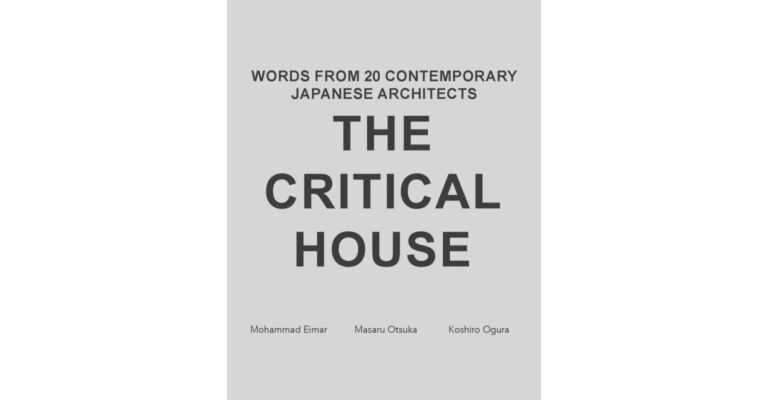
Highly praised for its aesthetics and daring design, Japanese architecture has been rooted in socio-critical discourse since World War II. Especially in the 1970s, the house served as a means of criticism and strategic positioning on this “intellectual battlefield”. In the 1990s, Toyo Ito questioned this approach.What followed was a comprehensive debate on the changing relationship between housing, contemporary architecture and society, which was detrimental to criticism – and reflects the global shift towards so-called post-critical philosophy. In this book, 20 Japanese architects – including Toyo Ito, Kengo Kuma, Yoshiharu Tsukamoto and Kentaro Yamazaki – reflect on this change in interviews and essays, revealing a lively, albeit more subtle, form of criticism in contemporary practice.