JavaScript seems to be disabled in your browser. For the best experience on our site, be sure to turn on Javascript in your browser.
We use cookies to make your experience better. To comply with the new e-Privacy directive, we need to ask for your consent to set the cookies. Learn more.
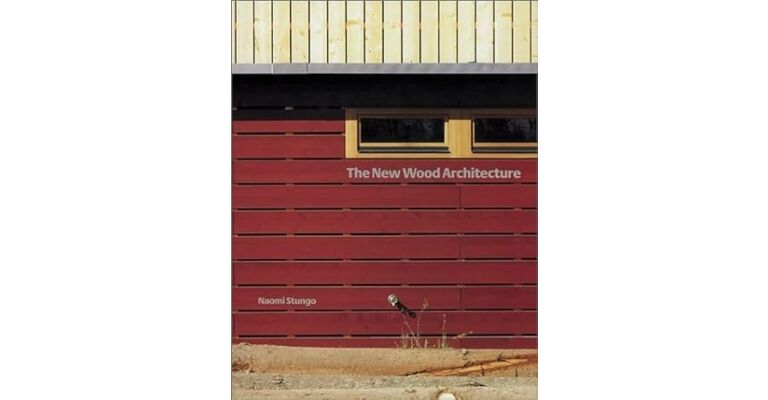
Following on the success of the hardback, this new paperback considers thirty recently completed timber-built schemes by progressive architectural practices. It looks at how the selected buildings have derived their special character from wood, in response to an assortment of intriguing briefs - including an Olympic hall, a textile museum, a painter's studio and a theatre. The author's argument - that wood is the building material of the future - is explored through five chapters, each defining a different aspect of the debate. 'A new style' brings together the work of a generation of forward-looking architects who have rejected the high-tech and deconstructivist aesthetics of their predecessors and are instead using wood to design to the paired down legacy of such mentors as Herzog & de Meuron. 'New technology' looks at how advances in technology have enhanced the ease with which timber can be used as a building material - and shows how architects have employed this to their advantage. 'Green thinking' recounts the ingenious ways in which well thought-out wooden buildings have used wood to blur the boundaries between inside and out - with some startlingly beautiful results. And finally, 'Reworking the vernacular' assesses the ways in which architects have used wood to re-work the traditional forms of buildings while remaining strongly rooted in a particular local culture.