JavaScript seems to be disabled in your browser. For the best experience on our site, be sure to turn on Javascript in your browser.
We use cookies to make your experience better. To comply with the new e-Privacy directive, we need to ask for your consent to set the cookies. Learn more.
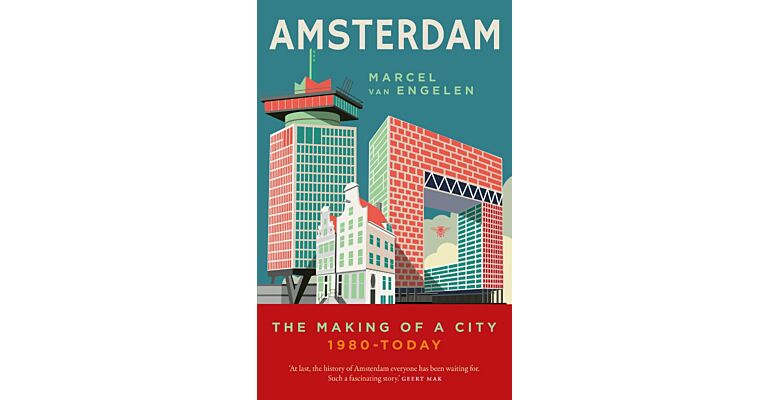
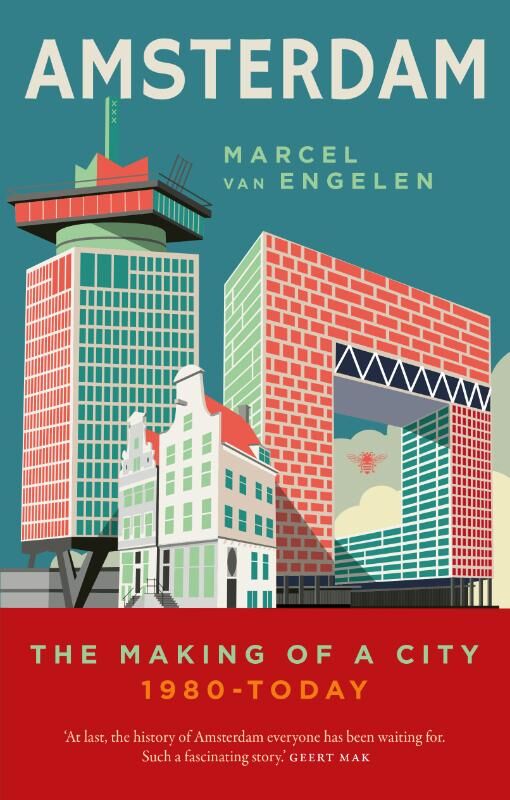
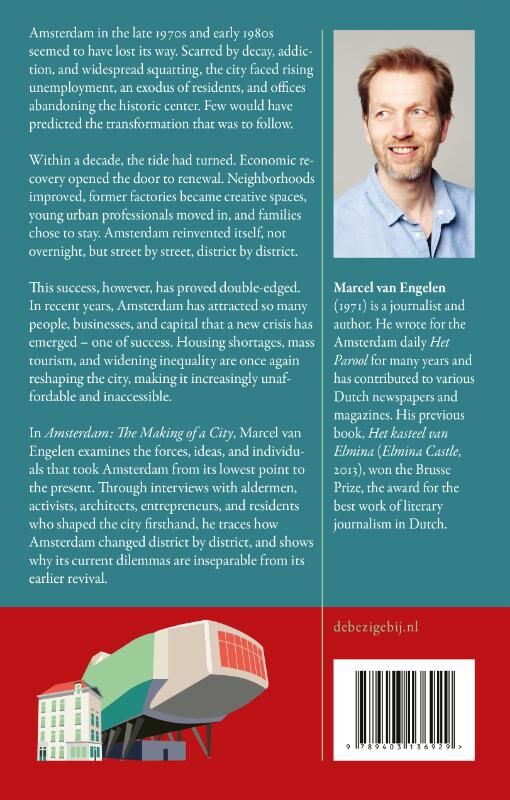
Amsterdam in the late 1970s and early 1980s seemed to have lost its way. Scarred by decay, addiction, and widespread squatting, the city faced rising unemployment, an exodus of residents, and offices abandoning the historic center. Few would have predicted the transformation that was to follow. Within a decade, the tide had turned. Economic recovery opened the door to renewal. Neighborhoods improved, former factories became creative spaces, young urban professionals moved in, and families chose to stay. Amsterdam reinvented itself, not overnight, but street by street, district by district. This success, however, has proved double-edged. In recent years, Amsterdam has attracted so many people, businesses, and capital that a new crisis has emerged – one of success. Housing shortages, mass tourism, and widening inequality are once again reshaping the city, making it increasingly unaffordable and inaccessible. In Amsterdam: The Making of a City, Marcel van Engelen examines the forces, ideas, and individuals that took Amsterdam from its lowest point to the present. Through interviews with aldermen, activists, architects, entrepreneurs, and residents who shaped the city firsthand, he traces how Amsterdam changed district by district, and shows why its current dilemmas are inseparable from its earlier revival.