JavaScript seems to be disabled in your browser. For the best experience on our site, be sure to turn on Javascript in your browser.
We use cookies to make your experience better. To comply with the new e-Privacy directive, we need to ask for your consent to set the cookies. Learn more.
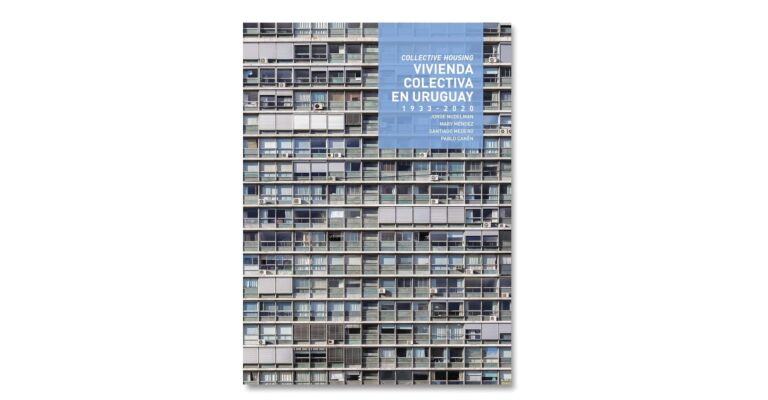
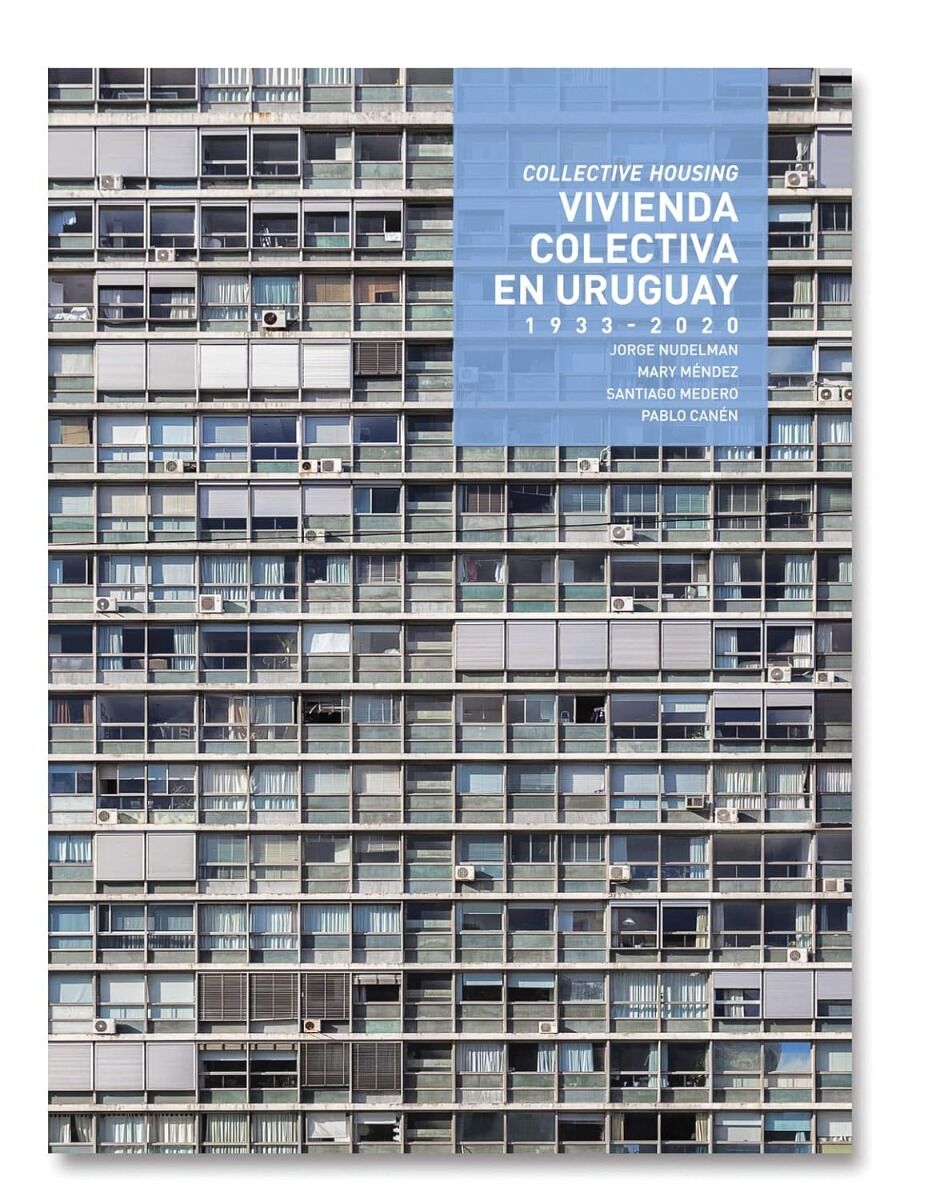
This book is a milestone in the bibliography of architecture in Uruguay. Collective Housing in Uruguay. 1933-2020 brings together, with a systematic and scientific approach, 80 works that reflect the evolution and transformation of collective housing in the country. From the first architectural experiments to contemporary initiatives under the "Social Housing Law", the atlas reveals a journey rich in creative solutions and changing historical contexts.
With a clear and objective structure, the publication uses drawings in homogeneous scales and carefully selected photographic material to provide an accurate view of the development of this architectural genre. Beyond styles, the volume examines the social, political, and economic forces that have shaped Uruguay's collective housing, such as the "golden age" of modernism in the 1940s and 1950s, the influence of cooperativism in the 1960s, and the challenges of recent urbanism.
The team behind the book, led by Jorge Nudelman and composed of professors and students from the Faculty of Architecture, Design and Urbanism of the Universidad de la República, has produced a comprehensive work that combines academic research with a didactic approach. The graphic reconstruction of the projects and the rigor of the texts make this publication an indispensable tool for architects, urban planners and researchers interested in the evolution of Latin American cities and social dynamics.